
Introduction
The Diversity, Equity, and Inclusion Standing Group (DEISG) identifies and coordinates training opportunities with a goal for inclusive and intersectional diversity, equity, and inclusion (DEI) training. The DEISG proposes different types of training to engage Alliance members wherever they are with their DEI practices. Training opportunities will address different learning styles and topic familiarity while incorporating community elements.
- Training types: speaker/presentation, panel discussion, workshop, multiple session series
- Learning styles: active learning, group discussion, think + write, interactive response, Q&A
- Topics: diversity, equity, inclusion, belonging, identity (personal, community, and systems), LGBTQ+, anti-bias, anti-harassment, policies and practices, community and collective care
Previous Training Opportunities
This page collects information for training offered during previous years, with goals for both creating a collection of training information and supporting transparency.
- Feburary 18, 2026: Sofia Leung, Release and Re-frame: Reimagining Library Work for Collective Change
- December 3, 2025: Nisha Mody, Applying Boundaries as a Trauma-Informed Tool
- November 18, 2025: Ali Brokaw (Right To Be), Emotional Intelligence for Culture Change: Awareness, Accountability, and Impact
- October 21 & 23, 2025: Yejin Lee (Jeong Coaching & Consulting, LLC), Strategizing for Collective Care and Protection While Honoring Our Limits
- April 30, 2025: Yejin Lee (Jeong Coaching & Consulting, LLC), Recognizing, Utilizing, & Disrupting Our Individual Defaults in Service of Equity & Justice
- April 9, 2025: Sirius Bonner (INTERSECT), Interrupting Bias and Building Allyship
- February 19, 2025: Farah Fosse & Hind Essayegh (Defend Yourself), Safer Libraries De-escalation Training
- November 12 & 14, 2024: Lourdes Tango, Navigating Our Unconscious: Strategies for Managing Implicit Bias
- October 15, 2024: Bianca Carbajal (Right To Be), Bystander Intervention & Conflict De-Escalation
- June 18, 2024: Drew Balduff, Kel R. Karpinski, María Mejía, Danielle Nista, Sara A. Howard, and Shawn(ta) Smith-Cruz, Grabbing Tea: Queer Conversations on Identity and Libraries
- May 22, 2024: Reed Garber-Pearson and Maggie Faber, Understanding Your Institution’s Policies as a Pathway for LGBTQ+ Support
- April 17, 2024: Carson Williams, LGBTQ+ Stories in Library Collections
- March 5, 2024: Stephen Krueger, Trans and Gender Diverse Inclusion for Libraries
Recorded trainings used Zoom’s automated captions for the live sessions with human-provided and edited captions for the recordings.
Release and Re-frame: Reimagining Library Work for Collective Change
Trainer: Sofia Leung, Facilitator, Librarian, and Thought Partner
Date: February 18, 2026 10:00am-12:00pm Pacific Time
Description: This two-hour workshop will introduce alternative frameworks and other tools to help participants reframe their work. We will begin to reimagine how our day-to-day work can refuse the default white supremacist capitalist systems we all work within. There is no easy answer or checklist we can turn to if we want to change the status quo. But, this is work we can all be doing, every day, and these small changes can lead to larger collective change.
Learning Objectives:
- Participants will begin to understand how white supremacy and racism underpin current library and university systems.
- Participants will have an introductory understanding of applying alternative frameworks to their daily practices and work.
- Participants will begin to reimagine what their work could look like without exclusion, surveillance, and punishment.
Trainer Bio: Sofia Leung (she/her) is a librarian, facilitator, and educator working towards fulfilling the promise of social justice in libraries and higher education. She co-edited Knowledge Justice: Disrupting Library and Information Studies Through Critical Race Theory with Jorge López-McKnight. Her focus is on building community among Black, Indigenous, and People of Color in libraries and beyond. Sofia holds a Master’s in Library and Information Science and a Master’s in Public Administration, both from the University of Washington in Seattle. She has a BA in English from Barnard College.
Applying Boundaries as a Trauma-Informed Tool
Trainer: Nisha Mody, Life coach, writer, and former librarian
Date: December 3, 2025, 1:00pm-3:00pm
Recording and Materials: removed on April 13, 2026
Description: This two-hour workshop will introduce boundaries as a trauma-informed tool. We’ll discuss how boundaries can be applied to practical situations in a professional context for supporting library workers, their colleagues, direct reports, supervisors, administrators, and patrons.
Nisha approaches this work from an anti-oppressive, relational, and trauma-informed lens. We’ll co-create an experience grounded in reflection, curiosity, humility, and growth. This approach isn’t to provide final solutions, but to start conversations, ask different questions, reframe what is “normal,” and navigate how this can look in organizations. It is important to mitigate any harm that marginalized and minoritized groups of people experience, recognizing that everyone has a role in moving toward equity.
As this is part of continuing equity work, we ask participants to be accountable for their learning and integrating their learnings outside of the training. This includes watching the recording, incorporating tools, and reflecting on what came up for them so they can create a sustainable foundation that supports them after the program is complete.
This workshop will include one brief break for participants. We’ll also have optional breakout rooms. Those who do not want to participate in breakout rooms can stay in the main Zoom room and will be provided with an equivalent activity.
Learning Objectives:
- Define how boundaries are a trauma-informed tool.
- Discern between empathy and emotional caretaking.
- Define boundaries from a values-based perspective.
- Create an achievable professional boundary.
Trainer Bio: Nisha Mody, MLIS, MA CCC-SLP (she/her) is a South Asian American Life coach, writer, and former librarian. She worked as a Health & Life Sciences Librarian, serving as liaison to the David Geffen School of Medicine at UCLA and as the Associate Director of the Network of the National Library of Medicine, Pacific Southwest Region. Throughout her work, Nisha has consistently valued growth, relationship, and liberation, all of which led her to becoming a healing coach with a trauma-informed approach. She teaches and talks about imagining and incorporating trauma-informed practices in libraries and in our everyday lives, centering the ways systems of oppression and intergenerational trauma affect us deeply. Nisha coaches people individually and in groups, and you can find out more about her at www.nishaland.com.
Emotional Intelligence for Culture Change: Awareness, Accountability, and Impact
Trainer: Ali Brokaw, Training & Facilitation Specialist, Right To Be
Date: November 18, 2025, 10:00am-11:30am
Description: Emotional intelligence (EQ) isn’t just a personal development skill — it’s a foundational practice for building respectful, accountable, and powerful teams. At Right To Be, we see emotional intelligence as a core skill for shaping culture — not just managing communication. Rooted in our mission to end harassment and build a world where everyone feels safe and respected, this training offers practical, accessible tools to help people show up with greater self-awareness, connection, and care. We support individuals and teams in shifting from reactivity to intentional action — especially in the everyday moments that shape how trust, accountability, and belonging are built over time.
We’ll have plenty of time for personal reflection and opportunities to share thoughts – in the chat, anonymously through Slido, and perhaps in a collaborative Google Doc. There will be no breakout rooms.
Learning Objectives:
- Explore how emotional intelligence supports both everyday connection and high-stakes communication.
- Examine the core components of EQ — including Self-Awareness, Self-Regulation, Motivation, Empathy, Social Skills.
- Practice tools for staying present, navigating tension, and responding with clarity and care.
- Build emotional habits that support trust, accountability, and long-term team wellbeing.
Trainer Bio: Ali Brokaw is a dynamic leader, strategist, and trainer committed to empowering individuals and organizations to create safer, more caring communities through anti-violence initiatives. With a Master of Management and Leadership from Webster University, Ali excels in developing transformative programs, including an award-winning series that engages men as allies in power-based violence prevention. As a Training and Facilitation Specialist at Right to Be, she gets jazzed about providing opportunities for skill development and forging a better way forward. On a personal level Ali enjoys hosting board game nights and completing escape rooms!
Strategizing for Collective Care and Protection While Honoring Our Limits
Trainer: Yejin Lee, Founder, Equity & Justice Practitioner, Jeong Coaching & Consulting LLC
Dates: October 21, 2025 at 2-3pm for Part 1: Facilitated Processing Space
October 23, 2025 at 1-3pm for Part 2: Workshop with Framework & Tools
Recording and Materials:
- Pre-Series Email (Google Doc)
- Recording, Part 1 (58:48) and Part 2 (1:54:00), with captions enabled
- Slide Decks, Part 1 (PDF) and Part 2 (PDF)
- Slide Poll Results, Part 1 (PDF) and Part 2 (PDF)
- Follow-Up Email (Google Doc)
- Workbook (Google Doc)
Online Access:
- Access to these files is limited to Alliance member staff via discussion email lists.
- Registrants received an email with direct links and instructions.
- If your email address doesn’t give you access, please send Amy Coughenour an email to request assistance.
Portions of this workshop connect with Recognizing, Utilizing, & Disrupting Our Individual Defaults in Service of Equity & Justice, a workshop we had with Yejin in April 2025. Participants may want to review the recording and materials from that workshop.
Description: We are living through a particularly oppressive period of degenerative chaos and conflict. For those of us seeking to translate our principles of equity and justice into our everyday lives, we must tenderly but courageously confront an important tension that exists between: (1) doing what we can to materially care for and protect marginalized peoples; and (2) existing within the bounds of our own bodyminds and capacities so that we can sustain our commitments. In order to make space for our own care in a way that is not rooted in hyperindividualism and selfishness, we must organize this work as a part of an interdependent community of practice.
In October, anti-oppression facilitator and coach Yejin Lee (she/they) of Jeong Coaching & Consulting LLC will be offering members of the Orbis Cascade Alliance community a two-part workshop to support participants in finding responsive and strategic ways to show up in “the work”™ without disposing of their own needs.
Session 1: Facilitated Processing Space. Tuesday, October 21st from 2-3pm PDT
The first part of this workshop series will be a facilitated processing space for the group to collectively ground ourselves in the political realities of the moment, and in the possibilities and limits of our minds, hearts, bodies, and efforts. In order to redefine care from a relational and trauma-informed lens, Yejin will help us to:
- Free ourselves from the hyperindividualistic treatment of “self-care” in order to make space for interdependent organizing;
- Discuss what it means to center the needs of marginalized peoples while honoring our own bounds and limits;
- Identify ways each of us can offer care and protection in these times.
Session 2: Workshop with Framework & Tools to Strategize for Collective Care. Thursday, October 23rd from 1-3pm PDT
The second part of this series will focus on offering practical frameworks, tools and processes to build an interdependent web of care and protection that honors both our expansive abilities and our limits. During this session, Yejin’s objectives for us are:
- To increase our capacity to center consent and utilize trauma-informed practices when developing strategies of care and protection;
- To learn how to surface necessary data & information about external organizational & human factors and internal/personal considerations to set responsive strategies;
- To build capacity in translating data & information into strategies that center the needs of multiply-marginalized people without treating our own labor in extractive and violent ways;
- To support participants in understanding what type of exhaustion they are experiencing, and what kind of rest they need;
- To unveil additional considerations when identifying and honoring our limits as individuals (e.g. neurodivergence, chronic illness, other compounding marginalizations, accumulated fatigue/burnout, making room for joy);
- To explore how to build an interdependent web of care and protection in practical ways (culminating in the development of a menu of collective care actions/activities).
Participants will receive robust follow-up materials from Yejin following the workshop series, including a comprehensive and tailored workbook to help this community translate their learnings into concrete practices.
Trainer Bio: Yejin Lee (she/they) is a queer, genderfluid, neurodivergent, and second generation Corean anti-oppression facilitator and coach who supports individuals and institutions in proactively choosing and materially committing to long-term transformation towards liberatory praxis.
Yejin draws from their professional experiences in nonprofit community organizing, fundraising, governance, strategy, and operations, and also from her informal roles as staff advocate and generative nuisance. Yejin is a lifelong student of abolition, anti-colonialism, anti-imperialism, disability justice and anti-fascism. She is passionate about integrating care, wholeness, and directness into all spaces, and invites softness, lightness, and play when needed and appropriate!
Recognizing, Utilizing, & Disrupting Our Individual Defaults in Service of Equity & Justice
Trainer: Yejin Lee, Founder, Equity & Justice Practitioner, Jeong Coaching & Consulting, LLC
Date: April 30, 2025: 1:00pm-3:15pm
Recording and Materials:
- Pre-Workshop Communications (PDF)
- Slide Deck (PDF)
- Recording (2:01:01) with captions enabled
- Follow Up Email from May 1, 2025 (PDF)
- Workbook (Google Doc)
Online Access:
- Access to these files is limited to Alliance member staff via discussion email lists.
- Registrants received an email with direct links and instructions.
- If your email address doesn’t give you access, please send Amy Coughenour an email to request assistance.
Description: As library workers at higher education institutions, we navigate multiple levels of power dynamics – individual, collective, departmental, administrative, institutional, and more. And we often engage with those levels at “default settings” in our expectations and responses. This workshop will guide us in questioning those power levels and defaults. We’ll approach equity and justice through inquiry and curiosity to support generative change. We’ll ask questions of ourselves, our communities, and our systems as part of creating ownership over change, growth, and transformation.
Our continued work towards equity and justice requires care – care for ourselves, collective care within communities, learning how to center care in our work, and recognizing the different types of care that people need. This session will incorporate care as part of our work in the inherent ways we build knowledge, raise awareness, and connect our growing understanding to our choices and interactions.
Learning Objectives:
- Participants will identify and understand the basic mechanics of oppression within institutions.
- Participants will increase our individual and collective ability to locate and map power dynamics.
- Participants will increase our individual and collective attunement to our default thoughts, feelings and behaviors in order to access greater agency and autonomy over our choices, and to imbue equity & justice within those choices.
- Participants will brainstorm and build tools to keep ourselves accountable to generative growth and transformation.
Trainer Bio: Yejin Lee (she/they) is a queer, genderfluid, neurodivergent, and second generation Corean anti-oppression facilitator and coach who supports individuals and institutions in proactively choosing and materially committing to long-term transformation towards liberatory praxis.
Yejin draws from their professional experiences in nonprofit community organizing, fundraising, governance, strategy, and operations, and also from her informal roles as staff advocate and generative nuisance. Yejin is a lifelong student of abolition, anti-colonialism, anti-imperialism, disability justice and anti-fascism. She is passionate about integrating care, wholeness, and directness into all spaces, and invites softness, lightness, and play when needed and appropriate!
Interrupting Bias and Building Allyship
Trainer: Sirius Bonner, Executive Director, INTERSECT
Date: April 9, 2025, 10:00am-12:00pm
Recording and Materials:
- Suggested Community Agreements (PDF)
- Slide Deck (PDF)
- Power and Privilege Wheel Exercise (PDF)
- Recording (1:11:12) with captions enabled
- Thank you (PDF)
Online Access:
- Access to these files is limited to Alliance member staff via discussion email lists.
- Registrants received an email with direct links and instructions.
- If your email address doesn’t give you access, please send Amy Coughenour an email to request assistance.
Description: Implicit bias and intersectionality are foundational to fostering equitable and inclusive environments, especially within organizations that influence educational and cultural landscapes. This interactive two-hour training will explore and address implicit bias and intersectionality while equipping participants with strategies to interrupt microaggressions and foster allyship. The session will focus on foundations of implicit bias and intersectionality, with interactive discussions on how biases form, the relationship between implicit bias and explicit bias, their impact on decision-making, and how intersecting identities influence experiences.
Learning Objectives:
- Participants will learn how to identify common microaggressions and understand their cumulative impact on marginalized groups.
- Participants will receive practical tools for interrupting bias, including strategies for recognizing and addressing bias in real-time and bystander intervention techniques
- Participants will learn frameworks for building effective allyship, emphasizing accountability, listening, and sustained action to support colleagues and communities.
Trainer Bio: Sirius Bonner (she/her) is the Executive Director of INTERSECT. As a Black, fat, queer, cis-woman, Sirius stands at the intersections of many identities. Her passions for Black liberation and racial justice, gender justice, and fat liberation all stem from her experience navigating oppressive systems. Through these experiences, she sharpened her intersectional analysis and dedicated herself to the fight for social justice and liberation for all. Sirius has a background in higher education, healthcare, nonprofits, and philanthropy. Sirius earned her bachelor’s and master’s degrees from Reed College.
Safer Libraries De-escalation Training
Trainers: Farah Fosse & Hind Essayegh, Trainers, Defend Yourself
Date: February 19, 2025, 10:00am-12:00pm
Description: Libraries and library workers face challenges in handling difficult or threatening situations while providing services and resources to their communities. Defend Yourself helps libraries address these challenges with de-escalation skills and support.
Library patrons and others often give front-line workers a hard time. The pandemic brought with it a surge in such behavior, as people took out their fear, stress, and anger on public-facing staff in all sectors. In this training, participants learn de-escalation skills for dealing with people who are angry, escalated, stressed out, or otherwise interfere with your job and the general enjoyment and use of library resources and spaces. Sections will include determining when to de-escalate, 5 steps for effective de-escalation, the assertive alternative, working with the fight-flight-freeze response, organizational strategies, and more!
This training will feature interactive elements, including breakout rooms, discussions, polls, chat questions, and digital whiteboards.
Learning Objectives:
- Participants will gain a greater understanding of conflict and de-escalation.
- Participants will engage with methods to respond when encountering situations involving anger, stress, and conflict.
- Participants will identify approaches to respond and support others during times of conflict.
- Participants will feel confident to use such methods and approaches on their own, outside a training space.
Trainers’ Bios:
Farah Fosse (she/her/hers) started teaching with Defend Yourself after taking a 10-week class with the organization in 2005. She also works as a community organizer, affordable-housing consultant, and social worker. “I’m passionate about supporting people in developing tools to take control of their lives and fight back against oppression. I especially enjoy bringing assertiveness and de-escalation skills to people working with the public to create safe and inclusive spaces.” Farah received self-defense instructor training (and offered trainings) through the National Women’s Martial Arts Federation.
Hind Essayegh (she/her/hers) has a diverse background as a linguist, educator, martial artist, and identity-based violence prevention advocate. “My passion is to help people find and use their power to defend themselves and their communities against gender- and hate-based violence. My self-defense training with Defend Yourself was empowering, healing, and life-changing, and I strive to spread the positive impact of this work as widely as possible.” Hind currently serves as Curriculum and Training Manager with No Means No Worldwide. She also works with Defend Yourself and Malikah teaching empowerment self-defense and bystander intervention within the Muslim community and to the general public in person and online.
Defend Yourself works to empower people — especially women and LGBTQIA+ people — to end violence and create a world where they can be fully themselves. Since its founding in 1997, the group has trained more than 40,000 people of all genders and ages in the DC area, and more nationally.
Navigating Our Unconscious: Strategies for Managing Implicit Bias
Trainer: Lourdes Tango, Training Consultant
Dates: November 12 and 14, 2024, 10:00am-11:30am
Description: This interactive two-session workshop will present the latest neuroscience research on unconscious bias and micro-inequities.
The first session will focus on unconscious bias. We’ll set a foundation to better understand aspects of our brains’ instinctive functions and patterns, along with their impacts, and consider how our life experiences frame our references. We’ll learn how managing our own bias can promote stronger collaboration with our colleagues and user communities, which results in more effective leadership, enhanced public service, efficient resource sharing, and innovative solutions.
The second session will expand the topic of unconscious bias by introducing the concept of micro-inequities, which are often expressions of unconscious bias. These small behaviors can have strong impacts on performance, engagement, leadership, and collaboration. We’ll discuss the importance of demonstrating respect and explore techniques for recognizing and addressing counterproductive behaviors and attitudes.
This workshop will feature interactive elements, including videos, chat, pair and small group conversations, and full group discussion. Participants will receive a workbook with activities and reading material a couple of days before the training.
Learning Objectives:
- Participants will gain a greater understanding of unconscious bias and micro-inequities.
- Participants will identify methods to manage bias.
- Participants will recognize common counterproductive behaviors and attitudes.
- Participants will select specific actions to support and demonstrate respect.
- Participants will learn about resources and approaches for continued skill-building.
Trainer Bio: Lourdes Tango is a training consultant experienced in designing and facilitating programs in cross-cultural communication and diversity topics.
Bystander Intervention & Conflict De-Escalation
Trainer: Bianca Carbajal, Training and Facilitation Specialist, Right To Be
Date: October 15, 2024, 10:00am-12:00pm
Description: When disrespect or harassment happens at a public workplace, people are almost always around and if they aren’t around, they can be quickly summoned to show up. Our goal is to reduce instances of workplace disrespect by giving employees the tools they need to disrupt those perpetrating it. We will equip you with tools to be an effective bystander in the midst of workplace disrespect by using our proven 5Ds of bystander intervention methodology – distract, delegate, document, delay, and direct. 98% of employees leave our training committed to intervene next time they witness disrespect or harassment at work.
If your team interfaces with the public, chances are they will face moments of escalation and will need to know what to do. Conflict de-escalation requires patience, a willingness to listen, and an ability to see the humanity in everyone. Using Right To Be’s Observe-Breathe-Connect methodology, we’ll learn how to identify potential conflict before it escalates using our “pyramid of escalation” and how to assess whether de-escalation is the right action. We’ll also learn how to connect with others by validating their feelings and helping diffuse the situation — even if we don’t understand them or agree with them. We’ll have time at the end to practice using real-life scenarios.
Learning Objectives:
- Participants will gain a greater understanding of bystander intervention and conflict de-escalation.
- Participants will engage with methods to respond when encountering situations involving bias, disrespect, harassment, and conflict.
- Participants will identify approaches to respond and support others during times of conflict.
- Participants will feel confident to use such methods and approaches on their own, outside a training space.
Trainer Bio: Bianca Carbajal (she/her) is a training consultant at Right To Be with over four years of experience facilitating educational workshops and conversational spaces for others. Born and raised in the city of Chicago, she is passionate about supporting local communities through volunteerism. Bianca wants to be a supportive leader that uplifts those around her and provides resources. She enjoys bringing groups of people together to experience, learn, or build something new. In her free time, she likes to dance and play with her two cats, Leo and Luna.
Grabbing Tea: Queer Conversations on Identity and Libraries
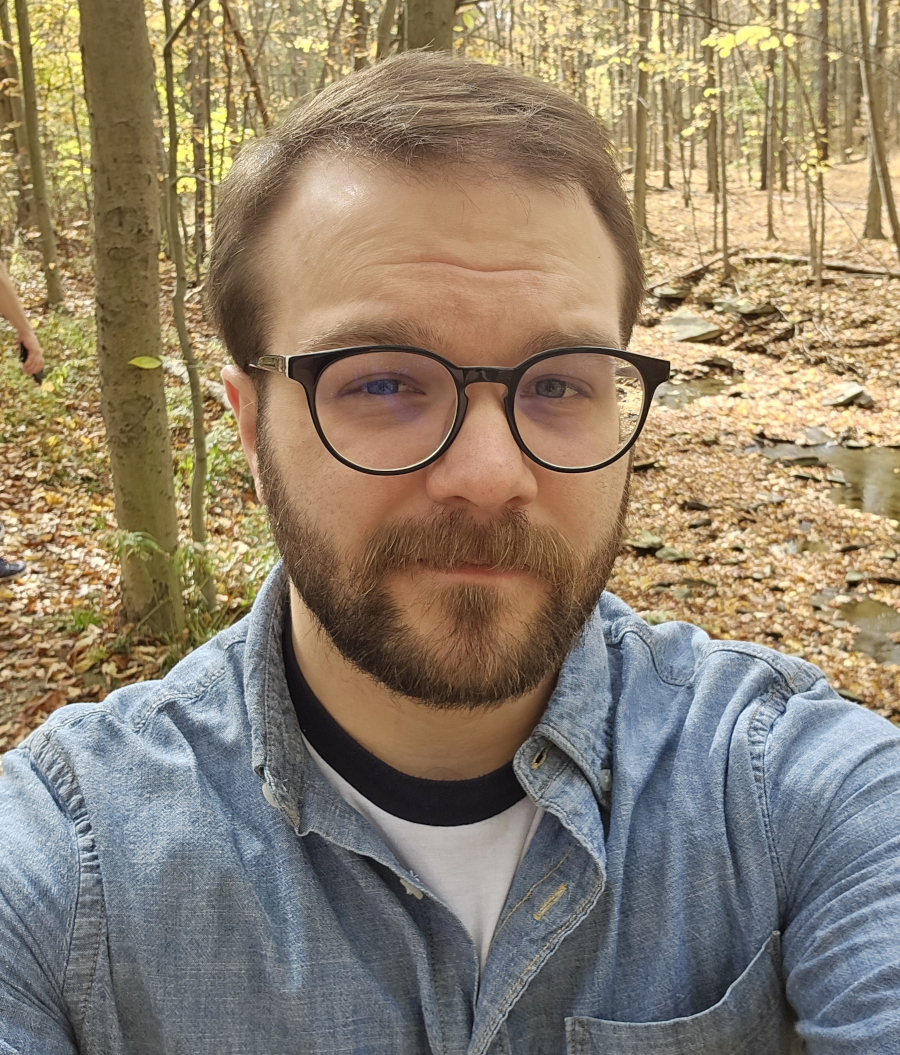
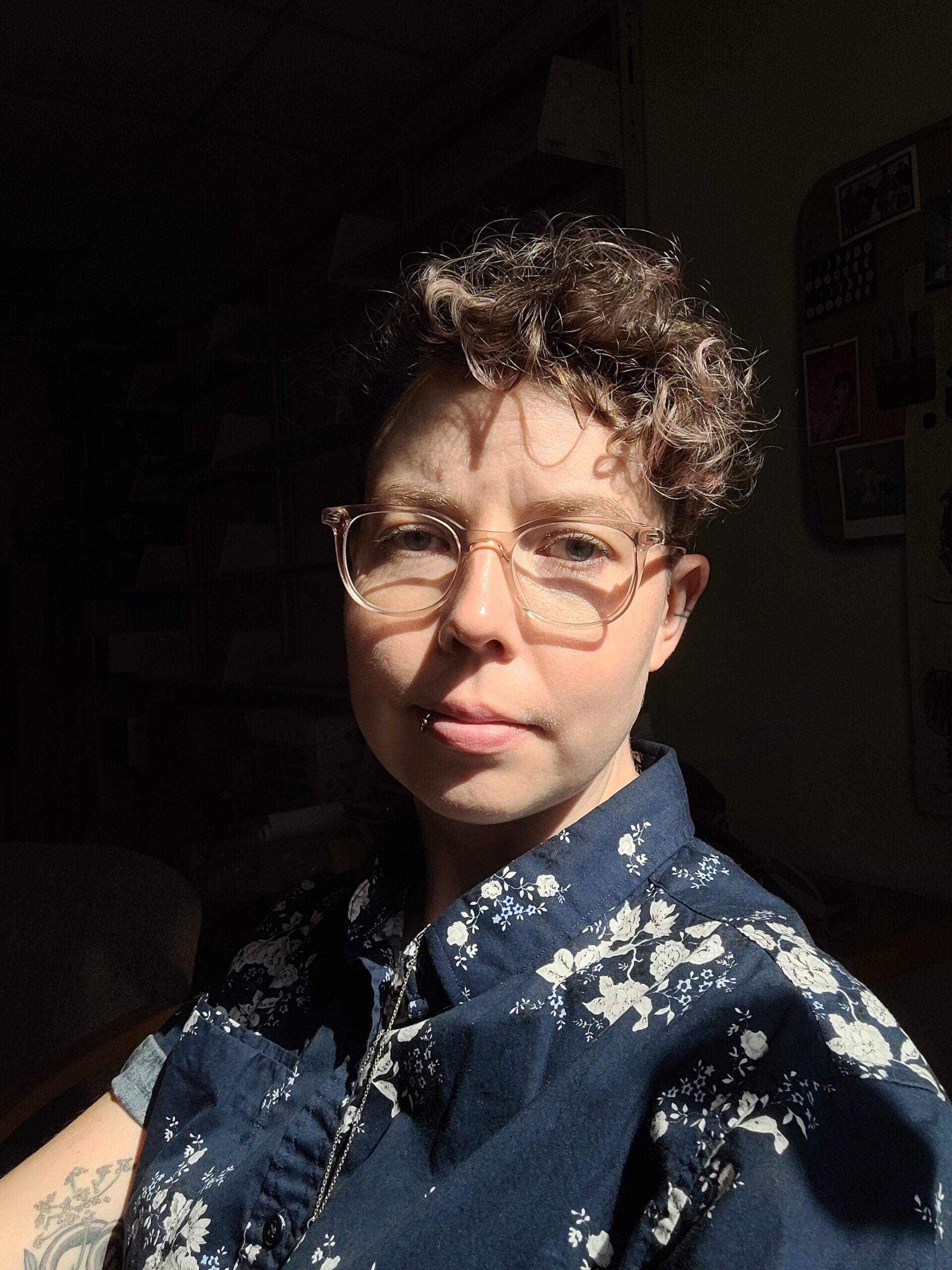
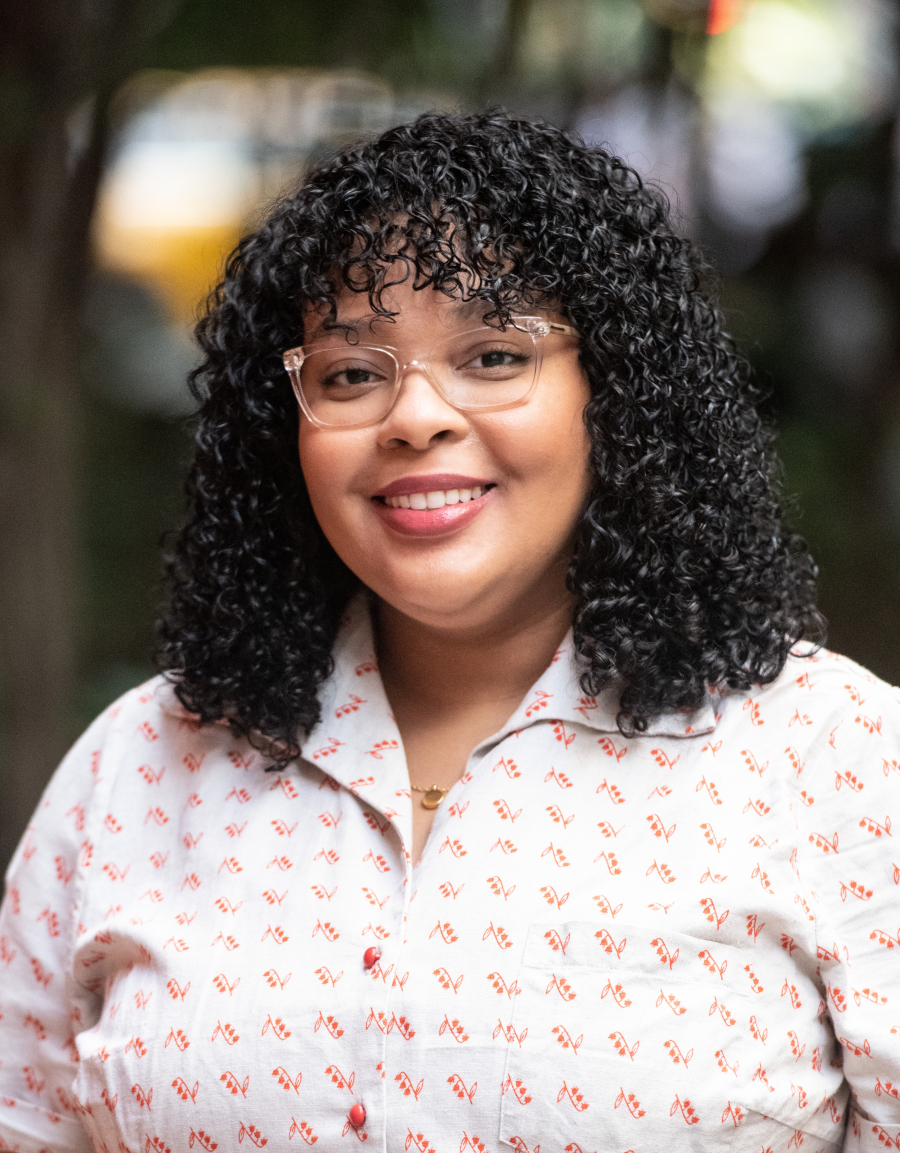
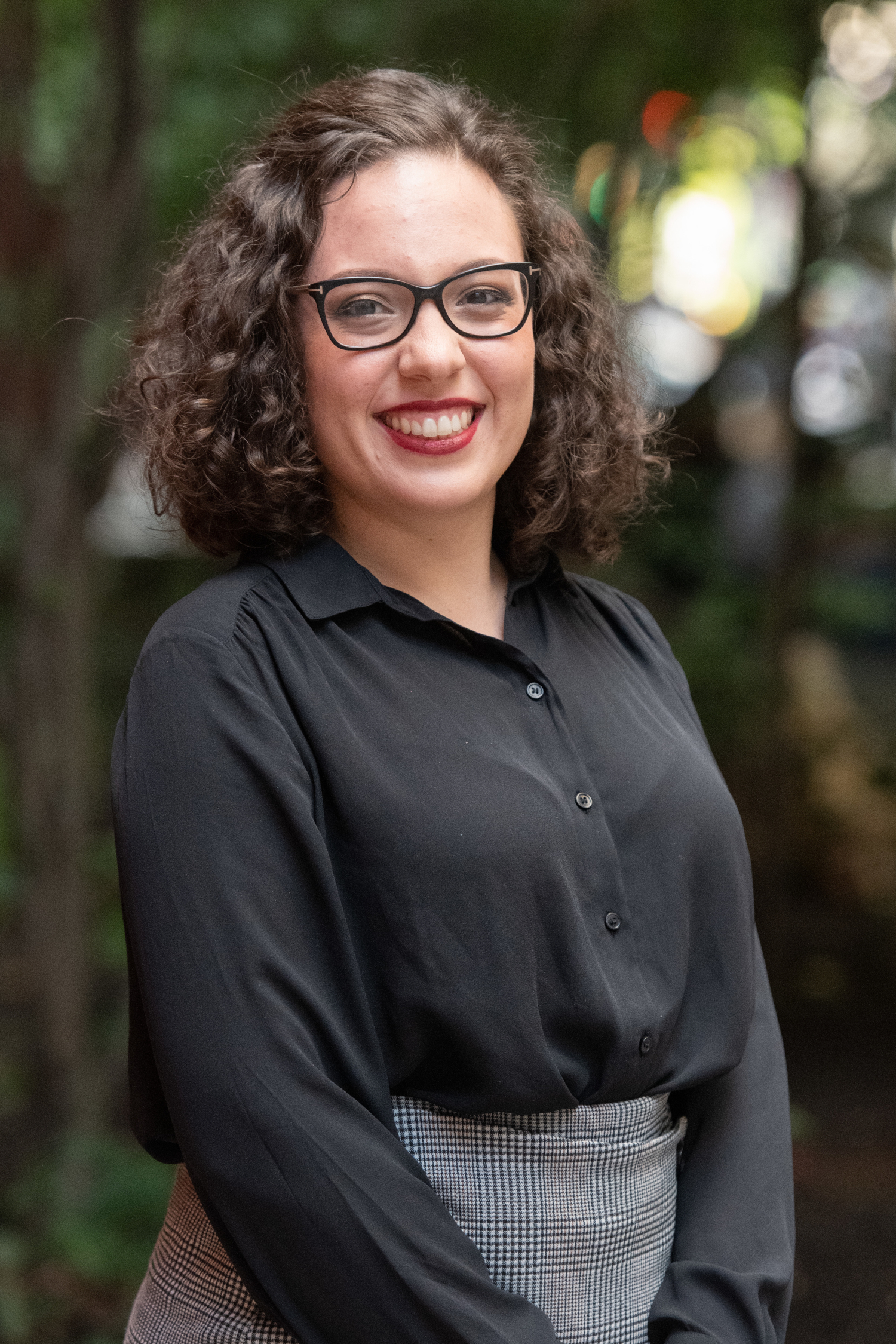

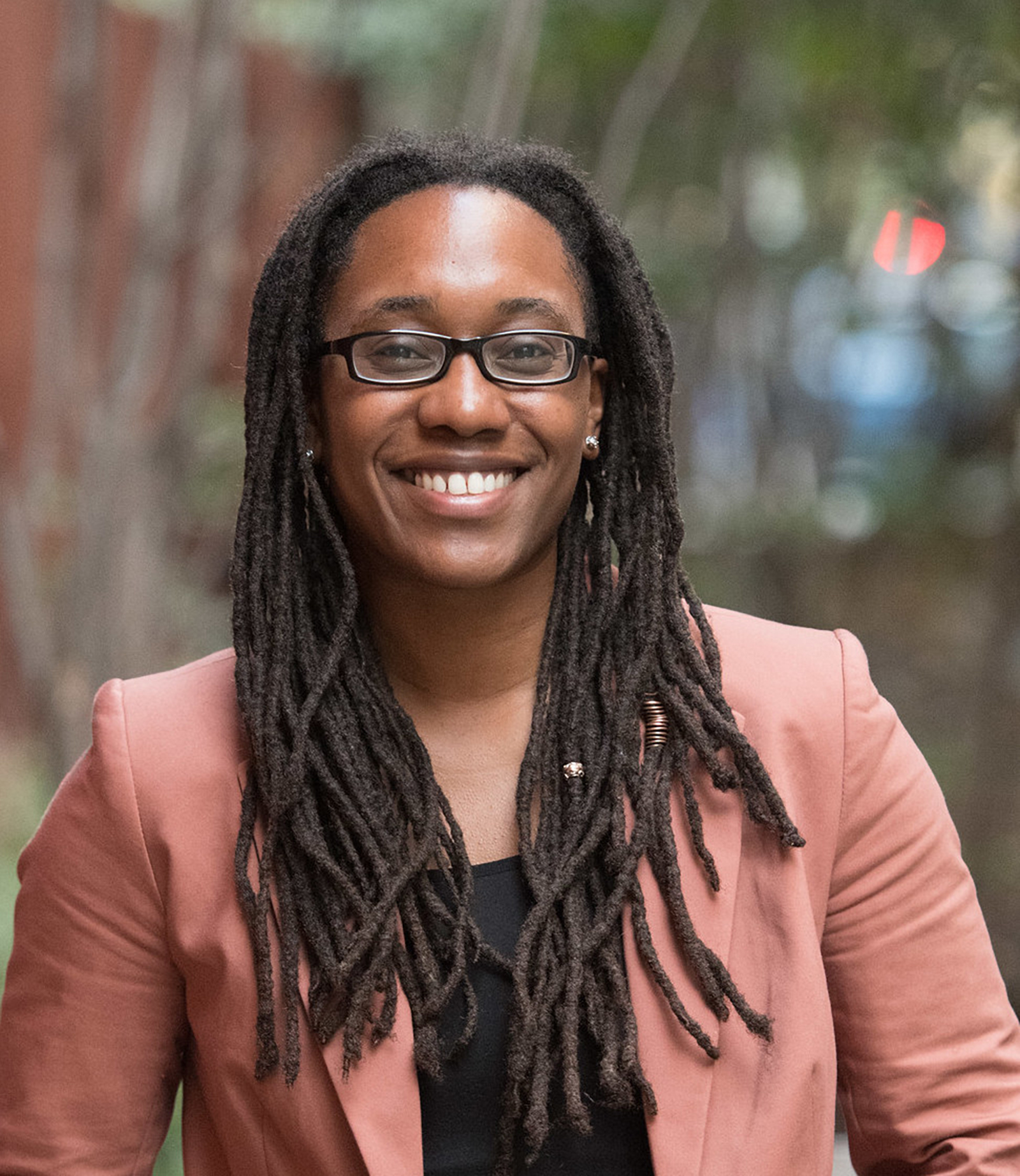
Panelists: Drew Balduff, Kel R. Karpinski, María Mejía, Danielle Nista, Sara A. Howard, and Shawn(ta) Smith-Cruz
Date: June 18, 2024, 11:00am-12:30pm
Description: A conversation among six contributors for the Grabbing Tea: Queer Conversations on Identity and Libraries monograph, a 2024 title from Litwin Books’ Series on Sex and Gender, which engages in conversation on library employees and affiliates who identify as (or within) LGBTQ identity. Conversations explore the interrelations of LGBTQ politics and the workplace and ask us to consider our own positionalities as we navigate colleagues, ourselves, and library professional spaces.
This session will be formatted as a conversation, exploring themes such as the intersection of race and bisexuality in libraries, navigating queer professionalism, Not Safe For Work (NSFW) research in libraries, and other topics connected to contributor chapters. The conversation starts with editors and contributors sharing their stories, and will then open to the room of participants who may bring questions and provocations learned from previous DEI series sessions to bring the conversation forward.
Learning Objectives:
- Participants will gain a greater understanding of LGBTQ identities and libraries.
- Participants will identify interrelations of LGBTQ politics and library professional spaces.
- Participants will consider their own positionalities when navigating relationships and professional spaces with colleagues, user communities, and themselves.
- Participants will recognize how intersectional identities overlap and weave throughout queer professionalism and libraries.
Panelists’ Bios:
Drew Balduff (he/him) is a public librarian based in Cleveland, Ohio. He lives with his cat, Petey.
Kel R. Karpinski (they/he) is an Assistant Professor and the Information Technology & Interlibrary Loan Librarian at the New York City College of Technology, City University of New York (CUNY). Their research focuses on mid-century queer films and novels as they relate to sailors and hustlers in Times Square and how these texts map queer desire onto the city. They are a vice president of the New York Metro chapter of the American Studies Association (NYMASA). Kel is also a zine maker and a NY Queer Zine Fair organizer.
María Mejía is a librarian and historian from New York City. She is the Open Scholarship Librarian at the New York University Libraries. Her research interests include critical librarianship, digital scholarship, reproductive justice, and Black feminist theory and activism.
Danielle Nista is the Assistant University Archivist at New York University Special Collections. She earned her Master of Arts in Archives from New York University and her MS in Library and Information Science from Long Island University. In addition to her work in professional organizations, Danielle is also an active participant in the queer, Catholic community in both her parish and the tristate area.
Sara A. Howard is the Librarian for Gender and Sexuality Studies and Student Engagement at Princeton University. Sara is the co-editor of a forthcoming two volume series Grabbing Tea: Queer Conversations on Archives and Practice and Grabbing Tea: Queer Conversations on Identity and Libraries expected 2024 from Litwin Books/Library Juice Press. Sara’s research interests include; gender and labor, gender and performance and exploring traditionally and purposefully marginalized voices and materials within the academy. When outside of the library, Sara enjoys cooking with way too much garlic, swimming in all bodies of water and hanging with her pup, Rosie!
Shawn(ta) Smith-Cruz is an assistant curator and associate dean for Teaching, Learning, and Engagement at New York University Division of Libraries where she serves as the Faculty Diversity Search Liaison. Shawn is also an adjunct assistant professor at Pratt School of information, teaching Reference & Instruction. Shawn is a co-coordinator at the Lesbian Herstory Archives, a co-convenor of the Reference & Instruction Special Interest Group at METRO where she co-curated the Critical Pedagogy Symposium and Case Studies in Critical Pedagogy series. Shawn is the co-editor of a two-volume series, Grabbing Tea: Queer Conversations in Archives and Practice and Queer Conversations in Identity and Libraries expected 2024 from Litwin Books/Library Juice Press.
Understanding Your Institution’s Policies as a Pathway for LGBTQ+ Support
Trainers: Reed Garber-Pearson and Maggie Faber
Date: May 22, 2024, 1:00pm-2:00pm
Description: How well do you know your institution’s policies in support of – or against – LGBTQ+ library workers and users? Do you know if your organization provides gender affirming care? Does your institution have pronouns associated with patron IDs?
Understanding your institution’s policies and cultures around LGBTQ+ library workers and users is an important step to being able to advocate and support. The first part of this session will provide a worksheet framework to help you examine the policies and cultures at your library. During the second part of the session, presenters will share common barriers to making institutional change and engage participants in strategies to overcome these barriers and take care of themselves when navigating complex systems.
Learning Objectives. At the end of this workshop, participants will be able to:
- Use a framework to understand your institution’s culture and policies to be a better ally to LGBTQ+ colleagues and users.
- Recognize barriers to navigating institutional policy change within complex systems in order to anticipate obstacles to change.
- Share experiences in order to collectively reflect and strategize about self care, structures of support, and avoiding burnout when advocating for change.
Trainers’ Bios:
Reed Garber-Pearson (they/them) is the Integrated Social Sciences & Online Learning Librarian at the University of Washington. Reed uses participatory, critical and inclusive strategies as part of the instructional design team, creating multimodal learning programs, collaborating on curriculum development, and teaching information literacy classes.
Maggie Faber (she/her) is the Assessment & Data Visualization Librarian at the University of Washington. She leads Libraries efforts to analyze and communicate assessment results and related data by developing interactive
LGBTQ+ Stories in Library Collections
Trainer: Carson Williams
Date: April 17, 2024, 11:00am-12:00pm
Description: Creating inclusive library collections incorporates diverse and equitable representation across communities, identities, experiences, and more. This session will focus on LGBTQ+ perspectives for collection development activities. We’ll review how to identify problematic stereotypes and tropes, along with how to avoid perpetuating such depictions. We’ll also discuss how to amplify representation that affirms queer identities and experiences.
During the session, we’ll share practical tips and strategies for promoting LGBTQ+ identities and perspectives in collections: evaluation, selection, acquisitions, removal, diversity audits, and more. We’ll also review recommended tools and resources for supporting this work. The session will close with time for participants’ questions and follow-up conversation.
Learning Objectives:
- Participants will gain a greater understanding of LGBTQ+ inclusion in library collections.
- Participants will identify examples of how problematic depictions of LGBTQ+ identities and perspectives occur in library collections, as well as how to address them.
- Participants will learn about resources, tools, and approaches to amplify and affirm queer identities and experiences in library collections.
Trainer Bio: Carson Williams is a Collection Development Librarian at Cornell University.
Trans and Gender Diverse Inclusion for Libraries
Trainer: Stephen Krueger
Date: March 5, 2024, 10:00am-12:00pm
Online Training: Presentation Recording (1:37:48) CC BY, Transcript, and Slides CC BY-NC. (The discussion was not recorded.)
Description: The first hour of this session is Trans 101; we’ll go over basic concepts of gender identity and how the nuances of gender vary widely between different contexts and cultures. The presentation will then cover different ways in which trans and gender diverse people express themselves, and various barriers they face. Participants will gain practical guidance on gender inclusive behavior as well as tools to continue learning.
The second hour will go over recommended practices for academic library workers on how to support trans and gender diverse patrons and employees. Trans and gender diverse inclusion is an essential element of all areas of library work; this portion of the session will demonstrate what that looks like in practice through some common examples. Resources will be shared for learning more about trans inclusion in specific aspects of library work. Time is provided for questions about particular topics or examples in both sections.
Learning Objectives:
- Participants will gain a greater understanding of trans and gender diverse identities.
- Participants will identify some of the most common issues of trans and gender diverse inclusion in libraries and library work.
- Participants will select specific actions in their work, processes, or services to support trans and gender diverse patrons and employees.
- Participants will learn about resources and approaches for growing their own understanding of trans and gender diverse inclusion as it relates to their work.
Trainer Bio: Stephen G. Krueger is the Affordable Course Content Librarian at the University of Kentucky. Ey holds a B.A. in English from Warren Wilson College and an M.S.L.S. from the University of North Carolina at Chapel Hill, and is working on an M.A. in Arctic and Northern Studies from the University of Alaska Fairbanks. Stephen is the author of Supporting Trans People in Libraries (Libraries Unlimited, 2019), co-editor (with Keahi Adolpho and Krista McCracken) of Trans and Gender Diverse Voices in Libraries (Library Juice Press, 2023), and co-author of the Trans Advice Column. Ey is also the founder of the Trans and Gender Diverse LIS Network.